
Electrician in Worcester
R.A.Barley Electrical Services based in Kempsey near Worcester offer domestic and commercial electrical installation, maintenance, testing, and fault finding.
FREE estimate within 24 hours
- Outdoor sockets
- Security Lighting
- Garage & shed electrical installation
- Interior sockets and lighting
- Shower replacement
- Smoke alarm replacement
- Extractor fan replacement
- Emergency Electrician
Fault finding service
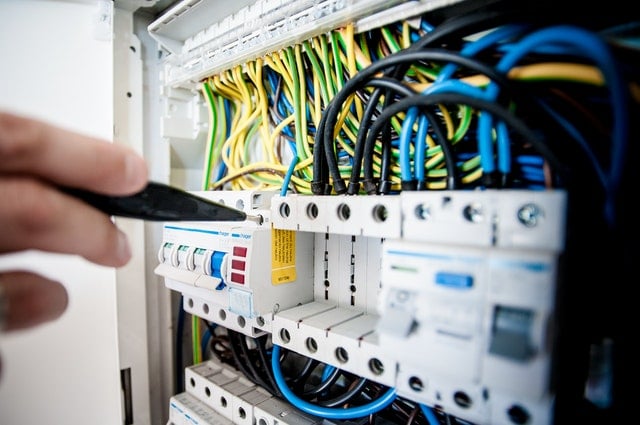
If your main RCD unit is tripping out I can help. We offer an electrical fault-finding service in Worcestershire. I will visit your home and carry out a range of tests on the RCD unit and the existing wiring in your property. When I have found the fault I will provide advice and a quote to rectify the problem.
Qualifications & experience
Midlands Electricity Plc (M.E.B Contracting) apprenticeship from 1990 – 1994 City & Guilds part 1 / part 2 and NVQ level 3 qualifications required to become a qualified electrician. 15th – 16th – 17th – 18th edition IET Wiring Regulations. 32 years of experience carrying out electrical installation, testing, and inspection in homes.

Consumer unit replacement
Old fuse boards and consumer units may need replacing. Regulations have changed over the past thirty years and your current consumer unit may not offer the level of protection that is advised.
New consumer units offer the highest level of protection including Residual Current Devices that are designed to trip out when a fault current is present. If you are concerned about your consumer unit or old fuse board please give me a call for some advice.
Call out emergency electrician in Worcester
If you live in Worcester or one of the surrounding villages I can offer a call-out service to come and rectify your electrical fault. Residual Current Device (RCD) faults are quite rare and it will usually be an appliance or circuit fault. If you need an emergency electrician to rectify a fault in your property please text mobile 07941581330 with your address and a description of the fault, I will reply as soon as possible.